How Generic Medicines Are Transforming Global Healthcare Access
The global healthcare landscape is rapidly evolving, and one of the most impactful drivers of this transformation is the widespread adoption of generic medicines. As healthcare costs continue to rise, generic drugs have emerged as a practical and sustainable solution to improve access to essential treatments worldwide. These medicines play a critical role in ensuring that patients across different economic backgrounds can receive timely and effective care without financial burden.
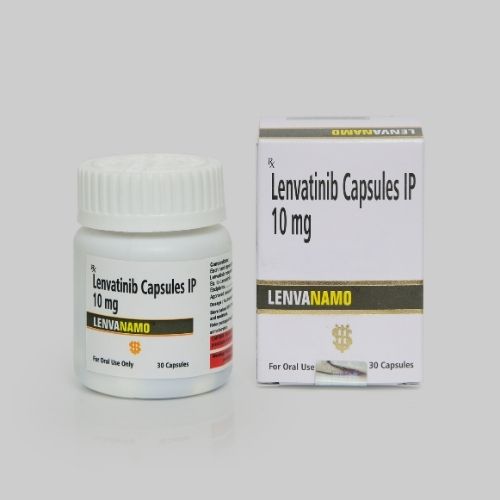
Generic medicines are pharmaceutical products that contain the same active ingredients, dosage, strength, and intended use as branded drugs. They are developed after the patent of the original product expires, allowing multiple manufacturers to produce and distribute them. Despite being more affordable, generic medicines undergo strict regulatory approvals to ensure they meet the same standards of quality, safety, and efficacy as their branded counterparts.
One of the biggest advantages of generic medicines is affordability. Branded drugs often come with high research and marketing costs, which significantly increase their price. Generic manufacturers eliminate these expenses, making medicines available at a fraction of the cost. This price reduction allows governments, healthcare providers, and patients to manage medical expenses more efficiently, especially in developing and underdeveloped regions.
The availability of cost-effective generics has significantly improved treatment accessibility for chronic and life-threatening diseases such as HIV/AIDS, Hepatitis, cancer, diabetes, and cardiovascular conditions. Patients who previously could not afford long-term treatments now have access to consistent medication, leading to better health outcomes and improved quality of life. This accessibility also helps reduce the overall burden on healthcare systems by preventing disease progression and complications.
Generic medicines also promote healthy competition within the pharmaceutical industry. As more manufacturers enter the market, competition drives innovation, efficiency, and further cost reductions. This benefits not only patients but also healthcare institutions and insurance providers, who can allocate resources more effectively and expand coverage to a larger population.
Quality assurance remains a top priority in the production of generic medicines. Reputable pharmaceutical companies work with WHO-GMP and ISO-certified manufacturing facilities to ensure that every product meets global quality standards. Rigorous testing, proper documentation, and strict quality control measures are followed at every stage of production. This ensures that generic medicines deliver consistent therapeutic results and maintain patient safety.
Pharmaceutical exporters play a key role in the global distribution of generic medicines. Countries like India have become major hubs for the production and export of high-quality generics. Exporters ensure that these medicines reach international markets efficiently, maintaining proper storage conditions and compliance with regulatory requirements. Their role is crucial in bridging the gap between manufacturers and global demand.
In addition to affordability and accessibility, generic medicines contribute to public health initiatives worldwide. Governments and international health organizations rely heavily on generics to run large-scale healthcare programs, vaccination drives, and disease control campaigns. The availability of low-cost medicines enables these programs to reach more people and achieve greater impact.
Companies like Sigma Nexus are actively contributing to this transformation by supplying high-quality generic medicines to global markets. By partnering with certified manufacturers and maintaining strict quality standards, they ensure that affordable and reliable treatments are available to patients across regions such as the USA, UK, UAE, Africa, and Southeast Asia. Their commitment to excellence and accessibility supports the growing demand for cost-effective healthcare solutions.
In conclusion, generic medicines are revolutionizing global healthcare by making treatments more affordable, accessible, and sustainable. They empower patients, strengthen healthcare systems, and support public health initiatives on a global scale. As the demand for affordable healthcare continues to rise, the role of generic medicines will remain vital in shaping a healthier and more inclusive future for all.